Investing in silver can enhance a portfolio’s diversification, serving as protection against rising inflation and presenting opportunities for significant growth, driven by its industrial applications.
The “Indestructible” Asset: Silver vs. Traditional Investments
Silver offers an affordable, durable option for portfolio diversification, especially when compared to traditional investment options.
Silver vs. Stocks
Stocks rely on company or product performance and investor sentiment. Their unpredictability is fueled by political, economic, and corporate fluctuations.
By contrast, silver is a tangible asset that has continued to hold value since the Mesopotamians first mined and introduced it as a commodity as far back as 3100 B.C.E. Through history, we’ve used silver as currency, adornments in jewelry and decor, and in antimicrobial medicine. Its modern applications include photographic film, electrical systems, and solar panels.
Silver vs. Crypto
Like stocks, cryptocurrency is a highly volatile commodity. However, crypto’s value is far more speculative than traditional investments.
- It’s traded in smaller markets, which contributes to excessive price swings.
- The markets never close, leading to immediate reaction to the news.
- Crypto has fewer regulations and protections, enticing “whales” who buy or sell large quantities of an asset. The result is immediate and drastic price fluctuations.
As a physical commodity, silver’s stability doesn’t rely on an internet connection or power grid. Its value spans the artistic and utilitarian spectrum, protecting against inflation.
Silver vs. Gold
As an affordable alternative to gold, silver offers new investors entry into the precious metal world. As a precious metal and industrial commodity, the silver market is considerably more volatile than gold. However, it’s precisely those sharp price fluctuations that deliver higher percentage gains, especially during bull markets.
The Dual-Demand Engine: Wealth Protection Meets Industrial Growth
Recognized as a “dual-demand engine,” silver’s market performance stems from its dual nature as a conventional store of wealth and an indispensable industrial commodity. This inherent duality allows silver to capitalize on both increased investment in safe havens and escalating industrial demand, especially within burgeoning sectors like green technology and artificial intelligence, as the global economy undergoes electrification and grapples with inflation.
- Monetary Value: From Mesopotamia to Georgian England, silver was the practical currency of the people. Its availability allowed it to be minted into varying denominations to satisfy laborer wages and the need for daily commerce.
In 1821, the British adopted the gold standard, linking the nation’s currency directly to gold. Gold became the basis for the international monetary system framed by specific historical eras from 1870 until 1971, when the U.S. shifted to the fiat system primarily to protect gold reserves.
The modern global standard of currency remains within the fiat monetary system, meaning that the value of each nation’s money is backed by the government and public confidence rather than a tangible commodity.
That said, silver continues to maintain intrinsic value, acting as a hedge against the devaluation of the dollar. It’s a physical asset that exists independently of government or central bank control.
- Industrial Necessity: As an electrical and thermal conductive element, silver is an indispensable industrial component. It’s a critical mineral with properties that are vital to solar panels, EVs, and 5G technologies.
- Scarcity Myth: The concept describes an ongoing debate over whether silver is actually scarce or the assertions of shortages are exaggerated. Regardless, there’s little doubt that the ongoing demand has created a structural deficit, leading to elevated prices. While complete depletion in the foreseeable future is improbable, silver is a finite commodity, and its availability for investment purposes will likely become more limited.
How to Invest in Silver: Choosing the Right Path
Silver’s investment appeal is shaped by its affordability and diversity.
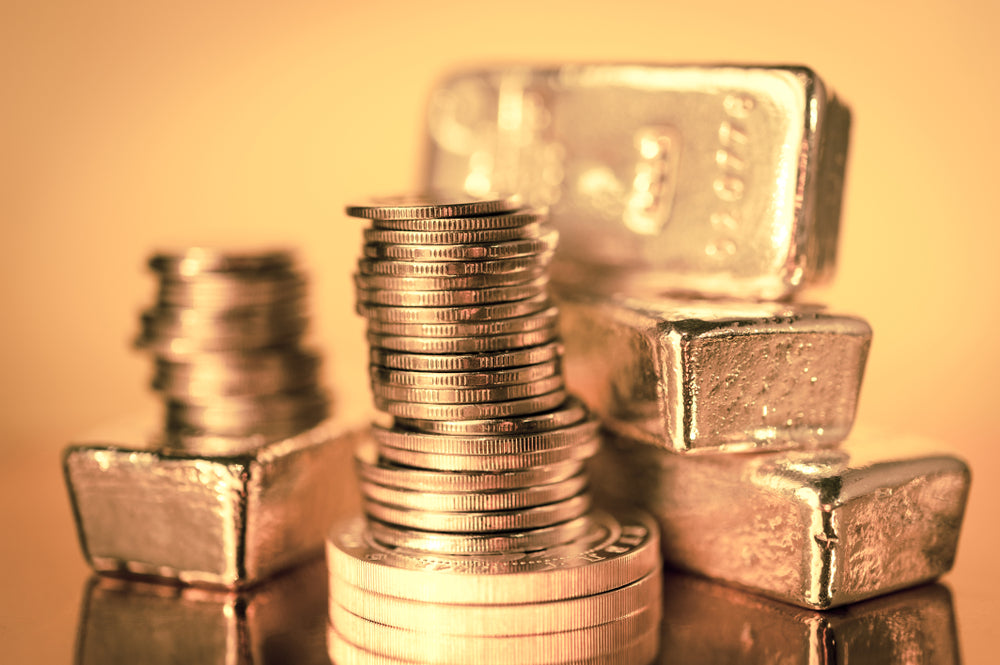
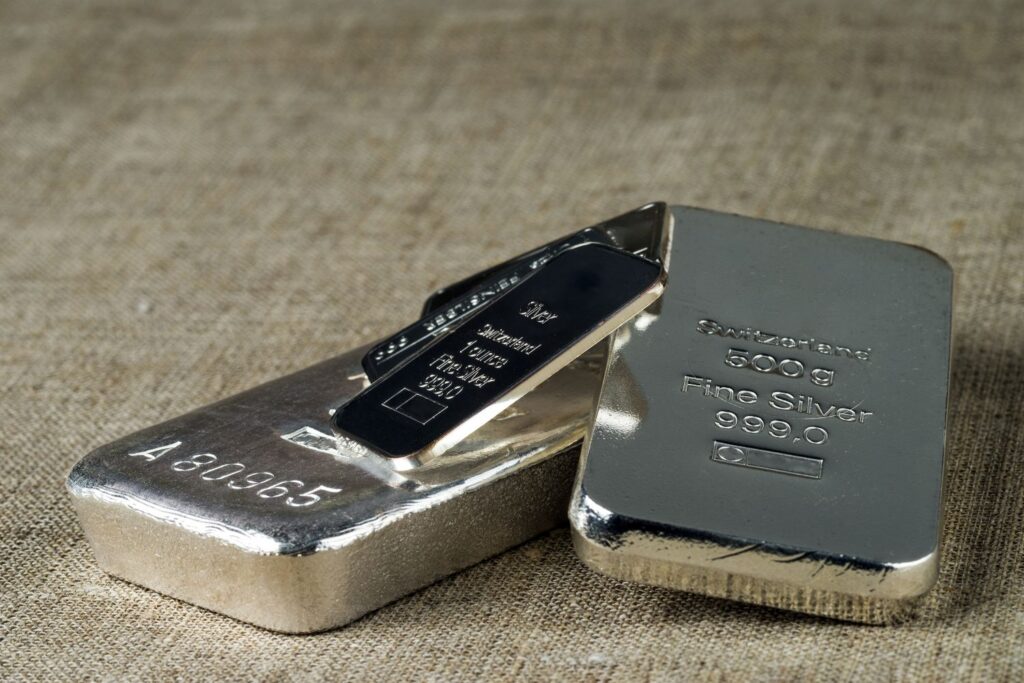
- Physical Bullion: Silver bullion must be refined to .999 purity and may be fashioned into bars, rounds, or coins. Its value is based on current market price and weight rather than its unique characteristics or rarity. Not reliant on the government, financial institution, or corporation, silver acts as a hedge against currency devaluation, inflation, and economic instability.
- Silver American Eagles: Highly recognizable as a U.S. government-backed legal tender, the Silver American Eagle offers guaranteed weight and .999 purity. It also features an anti-counterfeit reeded edge, creating a valuable liquid asset should the need arise.
In contrast to gold’s high-capital investment requirements, silver allows for incremental investing. You can add to your portfolio an ounce at a time.
Avoiding the “Paper Silver” Trap
A word of warning concerning paper silver and other derivatives like Exchange-Traded Funds. They are literally banking on the assumption that investors will sell or trade their shares, never calling in the actual silver. Investing in ETFs doesn’t guarantee you will ever possess the actual metal.
The world monetary crisis of the late 1960s was the result of the unsustainable United States’ exchange guarantee of $35 (paper tender) per one troy ounce of gold. As foreign nations began calling in their shares, economies faltered. “In 1966, foreign central banks and governments held over 14 billion U.S. dollars. The United States had $13.2 billion in gold reserves, but only $3.2 billion of that was available to cover foreign dollar holdings.”
Timing the Market: When to Make Your Move
Consider two key factors to determine the right market timing for silver investment.
The Silver-to-Gold Ratio: Measures the number of ounces of silver required to purchase an ounce of gold. The formula is: gold price/silver price=ratio. A higher ratio means silver’s relatively cheap, while a lower ratio indicates it’s outperforming, or expensive.
Current Economic Climate: As a tangible asset, silver is both a hedge against inflation and a high-demand industrial metal. New technology development for more affordable solar panel components is already underway, which could curb some of silver’s explosive demand. However, it continues to hold its value, and any current research may take years to affect change. In the meantime, silver remains a valuable industrial metal.
Start Your Silver Portfolio with Professional Guidance
Nationwide Coin & Bullion Reserve’s agents appreciate each investor’s goals and risk tolerances. We help you determine the right mix of silver for your portfolio investment needs.
Contact one of our knowledgeable consultants to help you navigate the complexities of silver investment. Through our personalized service, you’ll learn more about our current inventory, spot prices, and availability.
Ready to add physical silver to your vault? Call us today at 866-781-4024 for a no-pressure consultation.
Image credit: VladKK // Shutterstock