Trusted by Precious Metals Investors Since 2009

Protect, Preserve & Diversify Your Wealth

When gold is trading near record levels, waiting for a lower price can seem like the smart move. After all, nobody wants to buy today and then watch the price drop tomorrow. And gold certainly can fall. Anyone who has followed the market for a long time has seen how quickly sentiment can change.

But there is a difference between waiting for a better opportunity and trying to predict exactly where the market is headed. That distinction matters, especially when so many different factors influence gold prices.

Several major market observers continue to see forces that could support gold. The World Gold Council’s 2026 outlook points to investment demand, geopolitical uncertainty, inflation concerns, and continued central-bank buying as important factors. Central banks, in particular, remain worth watching. In the World Gold Council’s 2026 survey of central-bank reserve managers, 89% said they expected global central-bank gold reserves to increase over the following 12 months. A record 45% expected their own institution’s gold holdings to increase.

These aren’t investors making decisions based on what gold did yesterday. Central banks are making long-term decisions about how they want to hold and manage their reserves.

None of that means gold is guaranteed to keep climbing. In fact, analysts have lowered some of their forecasts. A July 2026 Reuters survey of 29 analysts showed that average gold-price expectations had declined after gold retreated from its January highs. Even so, those analysts continued to cite central-bank purchases, geopolitical concerns, fiscal uncertainty and worries about currencies as factors that could provide support.

The World Gold Council has taken a similarly balanced view. Stronger economic growth and higher interest rates could put pressure on gold, while economic weakness, geopolitical shocks, lower interest rates or renewed investment demand could push prices in the other direction.

So yes, gold could pull back. The problem is that nobody knows how far it might fall, how long the decline might last, or whether it will ever reach the price an investor is waiting for.

That last point is easy to overlook.

Investors often compare today’s gold price with what they remember paying in the past. If you remember gold at $2,000, $3,000, or $4,000 an ounce, today’s price may automatically seem too high. But the market doesn’t care what gold used to cost. Its price reflects current conditions, including inflation, interest rates, government debt, currency concerns, geopolitical events, investment demand, and central-bank purchases.

Those conditions can change. And when they do, what once seemed like an unusually high price can eventually become the new reference point.

For someone waiting for gold to return to an old price, another question is worth considering: What if that price never comes back?

Price is important, but it isn’t the only consideration. Why someone wants to own gold matters, too.

An investor buying gold because they expect the price to rise next month is making a very different decision from someone who wants to hold part of their wealth in a tangible asset. Physical gold can serve different purposes. Some people use it to diversify their holdings. Others are concerned about inflation, government debt, geopolitical instability, or the long-term purchasing power of the dollar. And some simply like the idea of owning an asset they can physically hold.

For those buyers, correctly predicting gold’s next move may not be the most important part of the decision. The bigger issue may be whether physical gold belongs in their overall financial strategy.

Waiting also carries its own risks. If gold falls, waiting could work in your favor. You might eventually be able to buy at a lower price. But if gold continues to rise, waiting can look very different in hindsight.

The price that seems too expensive today could be the price you wish you had paid later.

Trying to buy at the exact bottom is appealing, but consistently doing it is extremely difficult. That doesn’t mean investors have to choose between buying everything today and doing nothing at all. Some buyers establish an initial position and then make additional purchases over time. This approach can reduce the pressure of trying to pick the perfect day to buy.

The goal isn’t necessarily to outsmart the gold market. It is to make a thoughtful decision about whether physical gold has a place in your financial picture.

So, should you wait for gold prices to fall? Maybe. If economic growth strengthens, geopolitical risks ease, inflation stays under control, central-bank demand slows, and interest rates remain high enough to weigh on gold, waiting could be worthwhile.

But those conditions aren’t guaranteed. Central banks remain important buyers of gold. Investment demand remains a significant part of the market. Concerns about government debt and currencies haven’t gone away, and geopolitical uncertainty continues to influence investors.

No one knows exactly where gold will trade next month or next year. That’s the difficult part of making any investment decision.

Rather than trying to predict the perfect entry point, investors may be better served by considering why they want to own gold in the first place, how much they want to own, and what role they expect it to play in their overall financial plan.

Before deciding to wait for gold to become cheaper, there is one more question worth asking: What if gold’s move isn’t finished?

At Nationwide Coin & Bullion Reserve, we believe owning physical gold should begin with understanding your options. Our precious-metals professionals can explain the different ways to own physical gold, discuss the potential advantages and considerations, and help you determine what may make sense for your individual objectives.

Because the question isn’t simply whether gold could be cheaper tomorrow. It’s also worth considering what waiting today could potentially cost you.

The Nation's Best Gold Offer

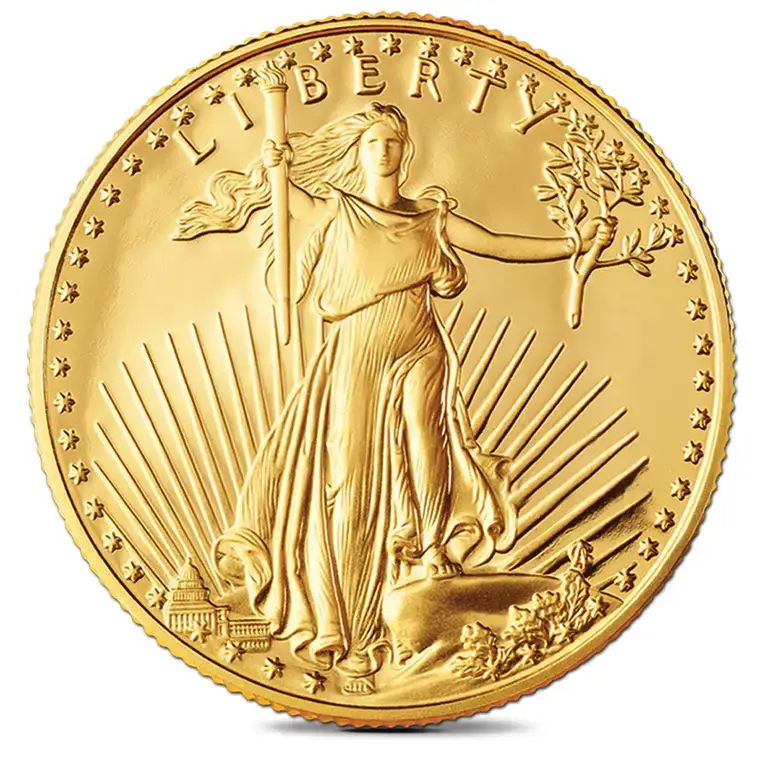
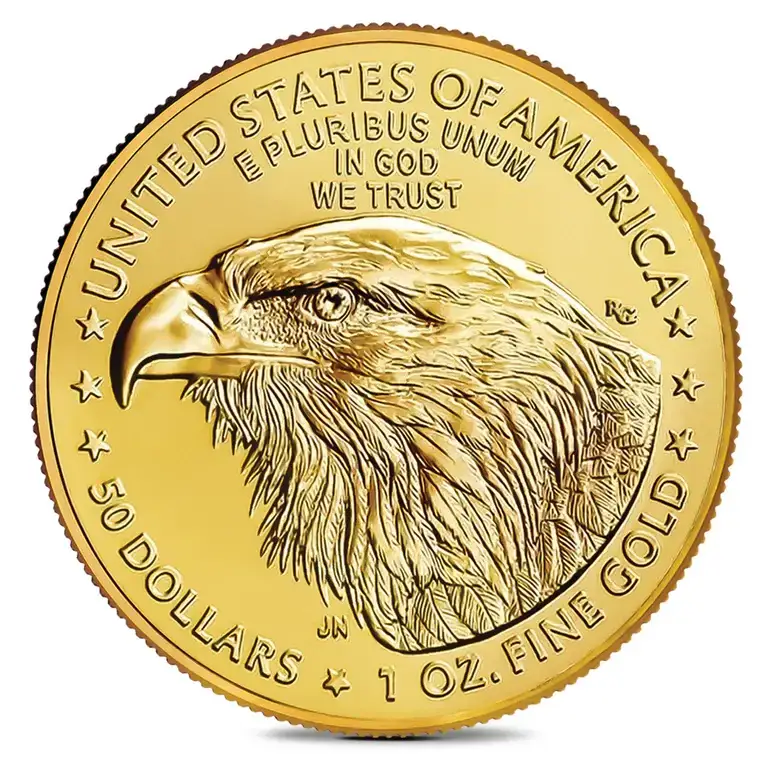
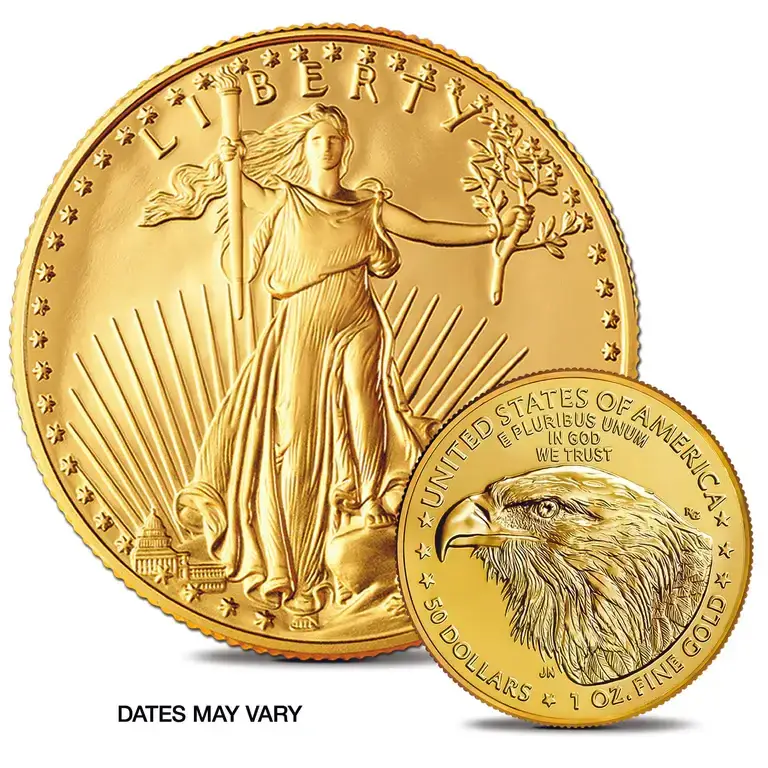
1 OZ GOLD AMERICAN EAGLES At-Cost

THIS INTRODUCTORY OFFER IS AVAILABLE TO FIRST-TIME CUSTOMERS ONLY!

Due to extremely limited supply, all INTRODUCTORY OFFERS for the Gold American Eagle coin at cost will be limited to one coin per household, per lifetime, absolutely no exceptions.

NOT VALID WITH ANY OTHER OFFER.

PROTECT WHAT YOU’VE BUILT

BE POSITIONED FOR WHAT’S NEXT

Wealth Preservation Packages graphic from Nationwide Coin & Bullion Reserve featuring Standard ($25,000), Premium ($50,000), Executive ($75,000), and Diamond ($100,000) precious metals packages, each including free gold and silver coins.

Physical gold has helped preserve wealth for generations—but preservation doesn’t mean giving up opportunity. As markets change and gold enters a new era, understanding what you own and why you own it matters more than ever.

Protect your wealth today. Be positioned for what tomorrow may bring.

THE DON EVERHART COLLECTION

Explore exclusive coin designs by renowned sculptor Don Everhart

OPERATION FINALLY HOME

Learn how Nationwide supports veterans and military families through Operation Finally Home

WHY YOU SHOULD TRUST NATIONWIDE COINS 

HEAR DIRECTLY FROM OUR CUSTOMERS

Discover why thousands of investors trust Nationwide Coin & Bullion Reserve to help protect and preserve their retirement savings

Retired couple enjoying a relaxing afternoon by a backyard pool while sharing a toast, representing financial security and retirement lifestyle planning.

TESTIMONIALS

Better Business Bureau

BBB A+ Rated And Accredited

★★★★☆ 4.5/5 based on BBB Customer Reviews
Better Business Bureau Accredited Business Seal Nationwide Coin & Bullion Reserve BBB Profile View BBB business profile details, accreditation information, and customer review resources.

The BBB profile opens on BBB.org in a new tab.

Browse verified Nationwide Coin & Bullion Reserve reviews from customers across the country

Scroll to Top
Preparing your request form.